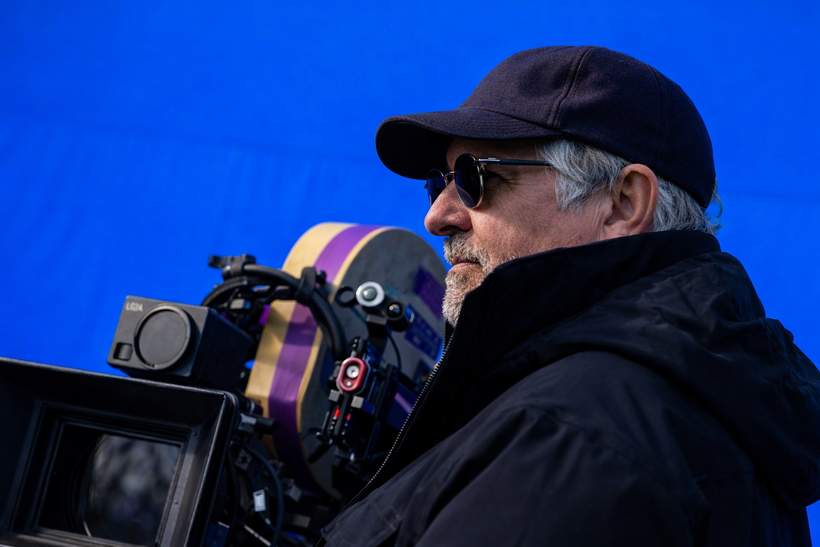
Out of This World: Spielberg’s Belief in the Unseen
Steven Spielberg has always had a fascination with the odd and unexplained, especially when it comes to UFOs and those funky lights dancing around in the sky. The alien movie genre is almost as ancient as the stories about unidentified flying objects, with the classic
The Flying Saucer making its debut just three years after Kenneth Arnold coined the term based on his rather suspicious window view during a flight. Unlike many of the filmmakers from the previous generation, Spielberg genuinely buys into the idea that there’s something strange going on up there, and he’s been telling us about his dreams and fears through his films ever since.
Humans First: More Than Just Space Invaders
Spielberg’s alien movies aren’t merely about little green men or UFO chases; they delve into the very essence of humanity itself. His inaugural, and arguably best, UFO flick is 1977’s
Close Encounters of the Third Kind. This film, inspired by the research of real-life Project Blue Book scientist J. Allen Hynek, is drenched in the intrigue of UFO sightings that had people buzzing in the 1970s. Although the film showcases eye-popping extraterrestrial encounters, it stays true to the human condition—something honed during the New Hollywood movement that Spielberg emerged from. Just like his earlier work,
Jaws, the film is sprinkled with frustration, challenging authority, and a burning ambition that overshadows everything else.
Roy Neary: The Man Who Chased His Dreams
Remember Roy Neary, portrayed by Richard Dreyfuss? This guy literally leaves his wife and kids behind to embark on a space adventure with some extraterrestrial pals. As many Americans were grappling with their disillusionment during the Watergate scandal, Nixon era, and the chaos of Vietnam, Roy decided he was done with the “official story” and instead followed his own truth, even if it meant accepting some downright crazy notions.
Father Figures and Alien Friendships
Spielberg’s complicated relationship with his father figures is evident in his films. He even poured some of those feelings into his later film,
The Fablemans. This sentiment seeps into Roy Neary’s character, much like the absence of a father figure in his next alien-themed masterpiece,
E.T.: The Extra-Terrestrial (1982). While
Close Encounters reveals a young man’s disregard for family after a tumultuous childhood,
E.T. captures the same man reminiscing about the pure joys of childhood. Spielberg himself has revealed that making
E.T. with a young Henry Thomas and Drew Barrymore was a training ground for the father he would eventually become.
Shaping Pop Culture: The Spielberg Influence
In the vibrant ’80s, Spielberg redefined pop culture, capturing hearts with his whimsical take on wonder and adventure. Family-friendly films and merchandise galore made him a pop culture Maestro! While there was never a sequel to
E.T., you can see its influence sprinkled throughout the decade.
Return to the Stars: The Darker Side of Spielberg
After 1982, Spielberg has continued to channel his thoughts through his films, showing a more profound consciousness.
Saving Private Ryan (1998) paid homage to the “Greatest Generation,” while his return to extraterrestrial imagery in
War of the Worlds (2005) reflected profound grief post-9/11. The film dives deep into despair and solidified a dark narrative as it intertwined with his earlier themes.
A Dialogue With Aliens: Spielberg in the Present
As the years rolled on, Spielberg has kept engaging with tough issues through his films—addressing civic responsibilities and our shared humanity. His next installment,
Disclosure Day, hits theaters this weekend, continuing to explore the human reaction to encountering aliens. This film is less about cosmic invaders and more about how we treat each other in the face of freshly revealed truths.
Bridging Divides with Curiosity
Where
War of the Worlds conjured up fear and anxiety of the unknown,
Disclosure Day prompts viewers to embrace wonder instead of suspicion. As screenwriter David Koepp rightly puts it, we’re living in strange times, and he urges us to pause and consider others’ perspectives—whether they come from outer space or just down the street.