Introduction
Alright folks, let’s dive into the wild world of cinema, where directors have sometimes faced more backlash than a boomerang at a family reunion. We’re talking about movies that ruffled feathers, sparked protests, and had audiences clutching their pearls—yet the directors behind them refused to budge an inch! Here’s a rundown of those rockstar filmmakers who kept their artistic integrity intact and their creative fires burning hot, no matter what the critics or public clamor said.
Martin Scorsese – The Last Temptation of Christ
Picture this: a film that sends shockwaves through religious communities and leads to protests hotter than a summer sidewalk. Scorsese stood his ground, maintaining that his flick was a personal dive into faith, despite the uproar. Talk about devotion!
Stanley Kubrick – A Clockwork Orange
Ah, Kubrick! Mr. Controversy himself. This film, accused of glorifying violence, was so spicy it was yanked from the UK like a bad hot sauce. But did Kubrick flinch? Nope! He kept his vision intact, like a chef who refuses to tone down the chili.
Oliver Stone – JFK
Now here’s a director who’s not afraid to tickle the conspiracy theory for all it’s worth! Stone faced criticism for allegedly monkeying with history, but instead of bowing out, he pushed forward to challenge the status quo. Go, Oliver, go!
Mel Gibson – The Passion of the Christ
Before Mel even rolled the cameras, he was under fire for alleged antisemitism and some seriously gory action scenes. But like a true maverick, he self-funded and got the film out there. And surprise, surprise—it became a box office juggernaut!
Quentin Tarantino – Django Unchained
With explosive dialogue and some jaw-dropping visuals, Tarantino lit up the screen with Django Unchained. The use of racial slurs had audiences squirming, but he defended his choices like a knight in shining armor, stating it was crucial for storytelling. What a spirited defense!
Lars von Trier – The House That Jack Built
Graphic violence? Check. Audience walkouts? Double-check. But von Trier treated the backlash like a badge of honor, defending his artistic intent. If you can’t handle the heat, get out of the director’s chair!
Todd Phillips – Joker
The buzz around this film was electrifying, with fears it might spark real-world violence. Nevertheless, Phillips brushed off the critics like they were annoying mosquitoes and delivered the film just as he envisioned it. Buzz be damned!
Kevin Smith – Dogma
Kevin leaned right into the drama when religious groups protested his humorous take on Catholicism. Instead of hiding, he joined the ruckus, defending his work as a playful satire. Now that’s what I call embracing the heat!
Darren Aronofsky – mother!
This one was polarizing enough to divide dinner tables everywhere. With weird imagery that felt like a funhouse mirror, Aronofsky held firm, claiming it was a deliberately churning artistic statement. Who needs consensus anyway?
Gaspar Noé – Irreversible
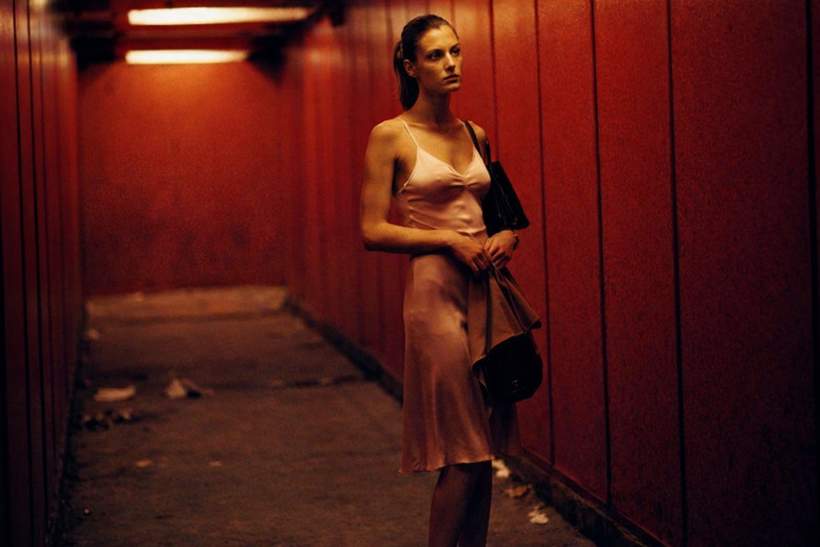
Noé’s film was so shocking it had audience members bolting for the exits faster than a cheetah on roller skates. He remained steadfast, arguing that his intention was to challenge the viewer—in other words, “I dare you!”
Seth Rogen and Evan Goldberg – The Interview
After threats and a full-on cyberattack, these two still had the guts to see their film released through unconventional means. Talk about resilience—like a phoenix rising from the ashes of drama!
Harmony Korine – Spring Breakers
With a plot that felt like a fever dream, Korine faced criticism for his portrayal of youth and excess. Yet he stood by it like a proud parent at a school play, asserting that his quirky tone was intentional and necessary. High fives all around!
Catherine Hardwicke – Thirteen
Raw and real, Hardwicke’s film had parents raised eyebrows all over. But rather than back down, she championed the truth of teenage angst, proving that sometimes art imitates life in the messiest of ways.
David Cronenberg – Crash
With explicit themes that could make your grandma faint, Cronenberg didn’t flinch while releasing this exploration of human psychology. It was like he said, “Tough love, folks!”
Roman Polanski – The Pianist
Despite his own controversies, Polanski crafted this incredible film and released it to applause. His ability to navigate the public eye while producing such art is nothing short of fascinating. Hats off, Mr. Polanski!
Lars von Trier – Antichrist
Round two with von Trier! This time, his graphic and disturbing film sparked even more discussions at festivals. But alas, he didn’t waver—like a strong gust against a flimsy house of cards.
Ridley Scott – Exodus: Gods and Kings
Despite the uproar over casting decisions, Scott defended his artistic license like a solid ship in a storm. Spoiler alert: the movie still sailed into theaters!
Darren Aronofsky – Noah
With religious groups fuming over his unique take on a classic story, Aronofsky said, “Hold my coffee,” and released the film without major tweaks. That’s the spirit of creativity!
Levan Akin – And Then We Danced
Akin faced protests and threats because of this film’s
LGBTQ themes, but instead of caving in, he pushed on like a champion. It became a beacon of cultural resistance—what a win for diversity!
Conclusion
So there you have it! Nineteen directors who didn’t let a little thing like public outcry ruffle their feathers. They pushed forward with their visions, giving us films that sparked conversations and sometimes even changed the game. Here’s to the mavericks of cinema!