Wuthering Heights: The 10 Biggest Changes Emerald Fennell Made (and Why They Matter)
Welcome to the Wild World of Wuthering Heights!
Alright, folks, grab your favorite cozy blanket because we’re diving into the tumultuous tale of Wuthering Heights! Emily Brontë’s classic is not for the faint-hearted—it’s a rollercoaster of dark twists, brooding characters, and more gloom than a rainy Tuesday. Published in 1847, it features protagonists who could win awards for being downright cruel and a central relationship that’s more toxic than a reality TV show. Themes of class struggles, generational trauma, and revenge are all over the place, topped off with quotes so memorable you’ll want to inscribe them on a coffee mug.
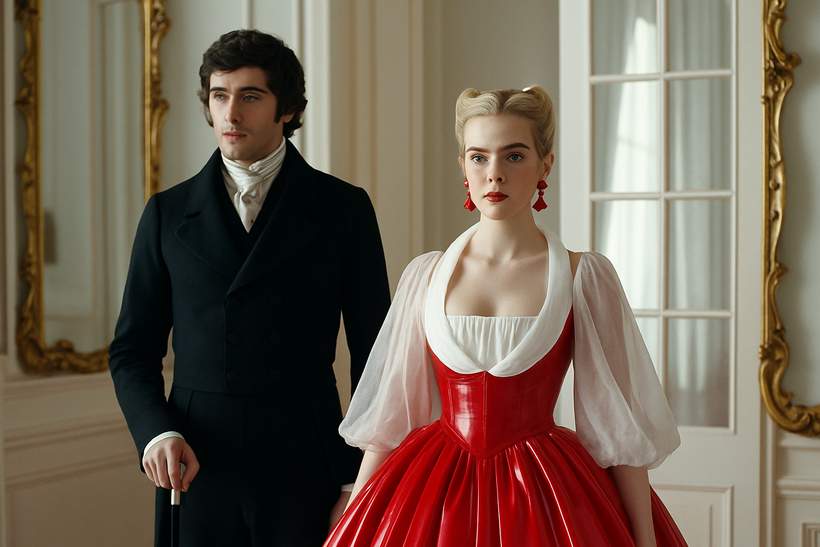
Fast forward to 2026, and director Emerald Fennell has taken a swing at adapting this crazy saga into film. Spoiler alert: it’s still not for the faint of heart! With vibrant costumes that look like they had a showdown with a unicorn, and vibes so strong you could surf the visual waves, Fennell’s film strays far from the source material. Let’s break down the ten biggest changes she made that might make even Brontë raise an eyebrow from beyond the grave!
1. Cutting Out Half the Story
First up, Fennell decided to ditch the second half of Brontë’s epic. Yep, you heard that right! In the book, Catherine Earnshaw kicks the bucket in Chapter 16, but there are still 18 chapters left where Heathcliff transitions into a revenge-driven supervillain. Talk about an anti-climax! The rest of the book dives deep into Heathcliff’s fury and the toxic legacy he leaves behind, which involves child abuse and a whole lot of drama. But hey, who needs that when you can keep things breezy with a parsed-down plot?
2. Time Jump: Everyone’s Older!
In Brontë’s world, Catherine and Heathcliff are practically kids—Cathy’s just 15 when she gets proposed to! In Fennell’s universe, though, they seem to have aged a decade. Margot Robbie’s Cathy is sporting mid-20s vibes, and we’re left wondering if everyone forgot to check their birth certificates. But it’s not all bad; Robbie captures Cathy’s youthful obsession so well that you’ll still feel those young and reckless vibes. Plus, Fennell leans into the Earnshaw family’s money troubles, adding some relatable tension.
3. Bye-Bye Hindley!
Let’s talk about the biggest family drama—Hindley Earnshaw, Cathy’s brother and Heathcliff’s worst nightmare, has been wiped from existence! Even though he adds layers to Heathcliff’s villain origin story, he’s replaced with a vague mention of a brother who died. Instead of a brotherly relationship brimming with tension, we now get a softer version of Heathcliff’s backstory. Who needs complexity when you can just simplify things, am I right?
4. Growing Up Too Fast
In the novel, Cathy and Heathcliff bond as children when they’re younger and innocent. But in Fennell’s adaptation, their first encounter with the wealthy Lintons happens when they’re fully grown adults. Ready for love and mischief, Cathy ends up falling from a garden wall like it’s a rom-com plot device. This change not only speeds up the romance but turns Edgar Linton into a random guy Cathy chooses to marry. Because nothing says true love like a surprise engagement!
5. Love Gets Physical
The literary version of Cathy and Heathcliff keeps things implied—like, oh-so-much passion boiling under the surface. But Fennell goes full steam ahead with the steaminess. There’s more passion swirling around than a crowded dance floor! From wild encounters in the rain to some seriously questionable decisions, their love life is now the stuff of late-night TV dramas—not exactly what Brontë had in mind, but hey, new age, new rules!
6. Heathcliff: The Byronic Hero-ish
Now, let’s talk about Heathcliff. The book gives us a dark anti-hero whose choices make him a villain; he’s not a name you’d want to take home to mama. But Fennell presents him more as the smoldering Byronic hero who’s misunderstood and too cool for school. He’s got that brooding charm that would make your heart flutter, even if he’s still kinda terrible. Where’s the motivation gone? Who knew villainy could look so good?
7. Nelly: The New Villain?
In the original tale, Nelly Dean plays the role of a passive narrator, but in Fennell’s reinterpretation, she’s been rebranded as almost the story’s villain! Nelly now views Cathy’s friendship with Heathcliff through a green-eyed lens, creating misunderstandings that put their bond in jeopardy. It’s less of a narrative device and more of a dramatic twist, which adds unexpected complexity to her character.
8. Isabella’s Makeover
Say goodbye to the passive Isabella Linton of the novel! Fennell gives us a quirky version who’s a bit of an oddball. She collects ribbons and has a dollhouse that’s probably haunted by her weirdness. This Isabella is all for the drama with Heathcliff, openly admits she’s into his bad-boy vibe, and dives headfirst into a relationship fraught with BDSM implications. Talk about a character glow-up!
9. Cathy Takes a Dramatic Exit
In the tome, Cathy’s last moments are loaded with intense emotion as she gives birth and says her goodbyes to Heathcliff. But in Fennell’s flick, things move fast, and Heathcliff misses his chance to reconnect before she exits stage left. It’s tragic, but it also means they miss out on their deep, soul-bonding moments that Brontë made so poignant. It’s all speed over substance now, folks!
10. Ghosts? What Ghosts?
Finally, one of the scariest changes of all—what’s a haunting without the ghosts? Fennell decided to focus way less on the supernatural elements of the story. In the original, Cathy’s ghost lingers like an unwanted party guest, but in the film, we trade phantoms for passionate entanglements. The endgame feels less like a cautionary tale and more like an awkward comedy about life and love.
Wrapping Up
So there you have it! Emerald Fennell’s adaptation of Wuthering Heights takes some daring liberties with the story we thought we knew, infusing it with modern sensibilities and sexy plot lines. While some of Brontë’s nuances get tossed aside, we’re left with a vibrant retelling that’s sure to spark conversations—if you can stop laughing or gasping at the audacity of it all!