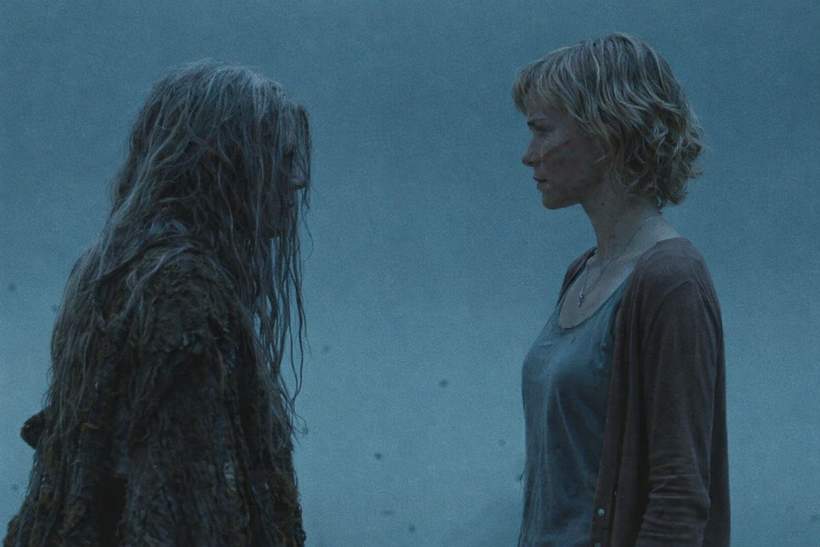
Holy Fog and Creepy Towns!
So, let’s chat about the
Silent Hill movie from 2006 — not exactly a shining beacon of cinematic greatness, right? The acting? A bit wobbly. The storyline? A tad overflowing. Yet, this chilling flick still keeps a firm grip on our attention. Why? Because those practical effects are gory-glorious, the atmosphere is thicker than fog on a summer morning, and who doesn’t love that grim aesthetic? But hold onto your popcorn, because there are deeper themes lurking beneath the surface that keep bringing us back to this unholy yet captivating film.
Plot Twist: More Than Just Spooky Stuff
Here’s the scoop:
Silent Hill isn’t just about fairytale horrors but has its claws sunk deep into environmental and political commentary. It kicks off with Rose, played by Radha Mitchell, who’s got one mission: discover why her adopted daughter, Sharon, (Jodelle Ferland) is having nightmares about this backwater town named Silent Hill. After some serious sleuthing, Rose finds out that the town got a one-way ticket to abandonment thanks to a nasty coal-seam fire. Yep, that’s a real-life phenomenon caused by shady mining practices. So, she decides to whisk Sharon away to this ghost town of doom – and let’s just say, things take a rather foggy turn!
Welcome to West Virginia – Hold the Stereotypes!
Now, the original video game keeps its setting vague, but the movie plops Silent Hill right in the heart of West Virginia — a place where coal rules the land (and people’s lives). This Appalachian backdrop isn’t just for show; it evokes genuine fear and unease. Hollywood loves slapping scary stories onto Appalachia, exploiting the region’s dubious media history while terrifying audiences. But, here comes
Silent Hill strutting in without falling for those tired old stereotypes.
Not Your Average Hillbillies!
Instead of making local residents out to be uncultured buffoons as most films do, we meet a surprisingly composed crowd in Silent Hill — decent middle-class folks deeply entrenched in their cult called the Brethren. Flashbacks reveal a quaint town filled with nice homes and upscale ideals, but with a sinister twist as they extinguish anything unusual faster than you can say ‘conformity.’ This portrayal is a far cry from the usual violent hillbilly narrative we’re all too familiar with.
Twisted Conformity and the Darkness Within
Sure, there’s some violence, but it’s not your stereotypical hill people gone feral — it plays into a more relatable theme of conformity and madness that could happen anywhere. By planting Silent Hill in West Virginia, the movie tangles with real-life issues, like environmental disasters birthed from the exploitation of natural resources. Talk about layering it on thick!
The Real Horror: A Girl and a Coal-seam Fire
Now, the sinister backstory gets even murkier with Alessa (also played by Jodelle Ferland). This poor girl is not just a plot device; she becomes a chilling symbol of cruelty as she gets tormented by the town’s most pious residents for being born out of wedlock. When her mother, Dahlia (Deborah Kara Unger), lets the cult’s high priestess, Christabella (Alice Krige), attempt a “purification” ritual on her, it goes up in flames — literally. This disaster is what sparks the infamous coal-seam fires, leading to a realm of horror that’s eerily captivating.
Ecofeminism at Its Core!
Ridiculously enough,
Silent Hill can be dubbed an ecofeminist tale. Think of it as the edgy cousin of political activism and heady critique. The film draws a sharp parallel between the violence against women and the violence against the land, both manifesting in horrifying ways. Alessa’s scars become a metaphor for the scars on West Virginia, where mining has done more than just damage a beautiful area.
Taking a Stand Against the Horror
At a time when we’re all sweating over climate change and high-stakes politics,
Silent Hill pops up as an unexpectedly poignant critique of social and environmental issues. Who would’ve thought? This flick not only tucks a big message under its nightmarish exterior but also whispers, “Hey, maybe we should all pay attention!” As the years roll on, it’s only going to resonate even more.